All throughout the world, tiny rays of sunshine burst through no matter the circumstances. They pop up in between the cracks on sidewalks, in people's front yards, roadsides, garbage heaps, grasslands, and just about everywhere except the Antarctic. These miraculous little survivors are called "dandelions," and humans have been trying to eradicate them for the past century.
Most people aren't trying to harm the environment or themselves, they are simply unaware of the consequences of their actions. They don't realize the benefits of dandelions, and they haven't been taught about the horrors of herbicides. If you're reading this right now, you can no longer plead ignorance for the mass movement of destruction going on below our very noses.
Once people are educated about dandelions and herbicides, we can heal our world.
How We Got Here
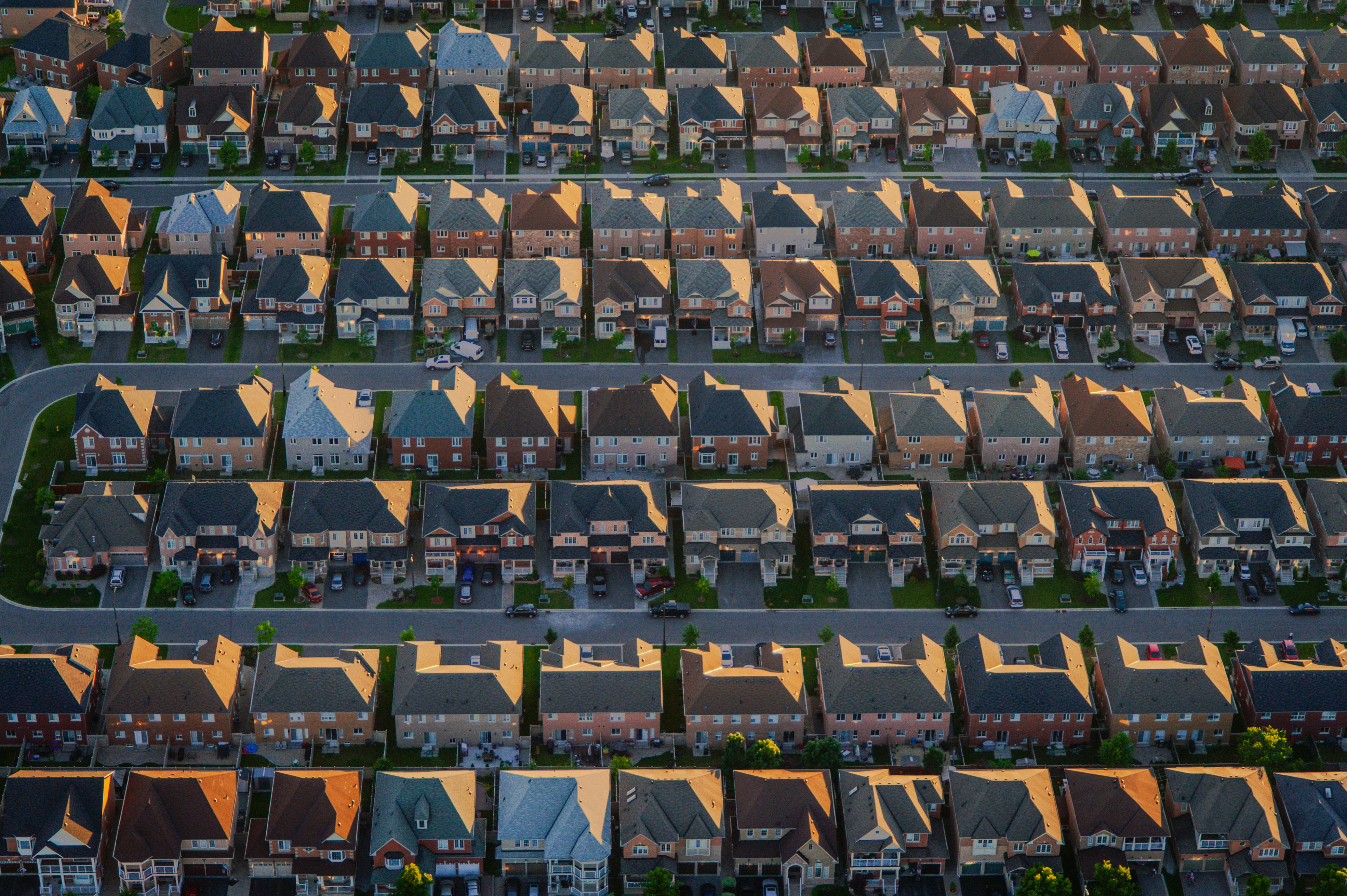
Despite being branded as "weeds" in modern day society, about a hundred and fifty years ago, people were actually pulling up the grass in their yards to make way for dandelions.
Native Americans, Europeans, Egyptians, Greeks, Romans, and the Chinese all used and loved dandelions in a vast majority of different ways. This wasn't only because they were pretty, but because they had significant health benefits and worked well in herbal remedies.
A massive attitude shift began. People started thinking that having a yard without anything growing in it was a sign of wealth and upper class. If you had land and could afford not to use it for food, you must have money.
After the wars, patriotism fueled conformity. Everybody wanted their yards to look the same, and having dandelions was actually viewed as a sign of poverty. The first neighborhood HOAs formed, further enforcing uniformity.
Corporations created herbicides and, for the sole purpose of making money, advertised dandelions as "harmful weeds" that needed to be gotten rid of, which is sadly still what they are largely thought of as today.

Nature's Miracle Plant
In medical uses, dandelions work as antioxidants, anti-inflammatory agents, digestive aids, anti-UV-ray protectors, and much more. Every single part of the dandelion helps the human body.
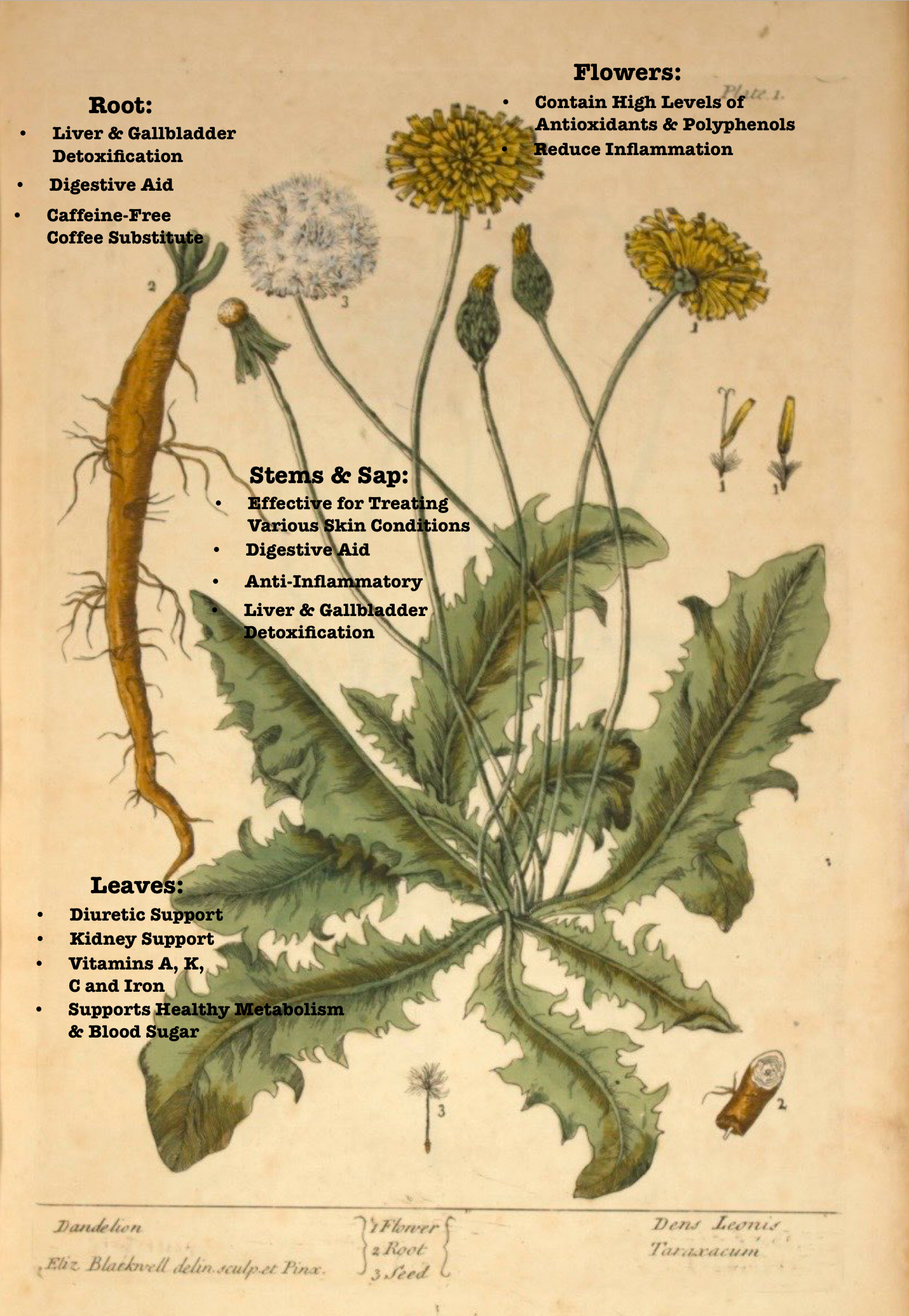
Dandelion greens offer exceptional amounts of vitamins A, K, and C, making them one of the most nutritious foods you can eat.
The roots can be made into a caffeine-free tea that reduces inflammation and serves as a natural, healthy substitute for your morning coffee.
Their long taproots break down compacted soil and bring nutrients up to the surface, helping surrounding plants thrive.
From liver detoxification (roots) to treating skin conditions (stems) to kidney support (leaves) to reducing inflammation (flowers), every part heals.
Vital to Life
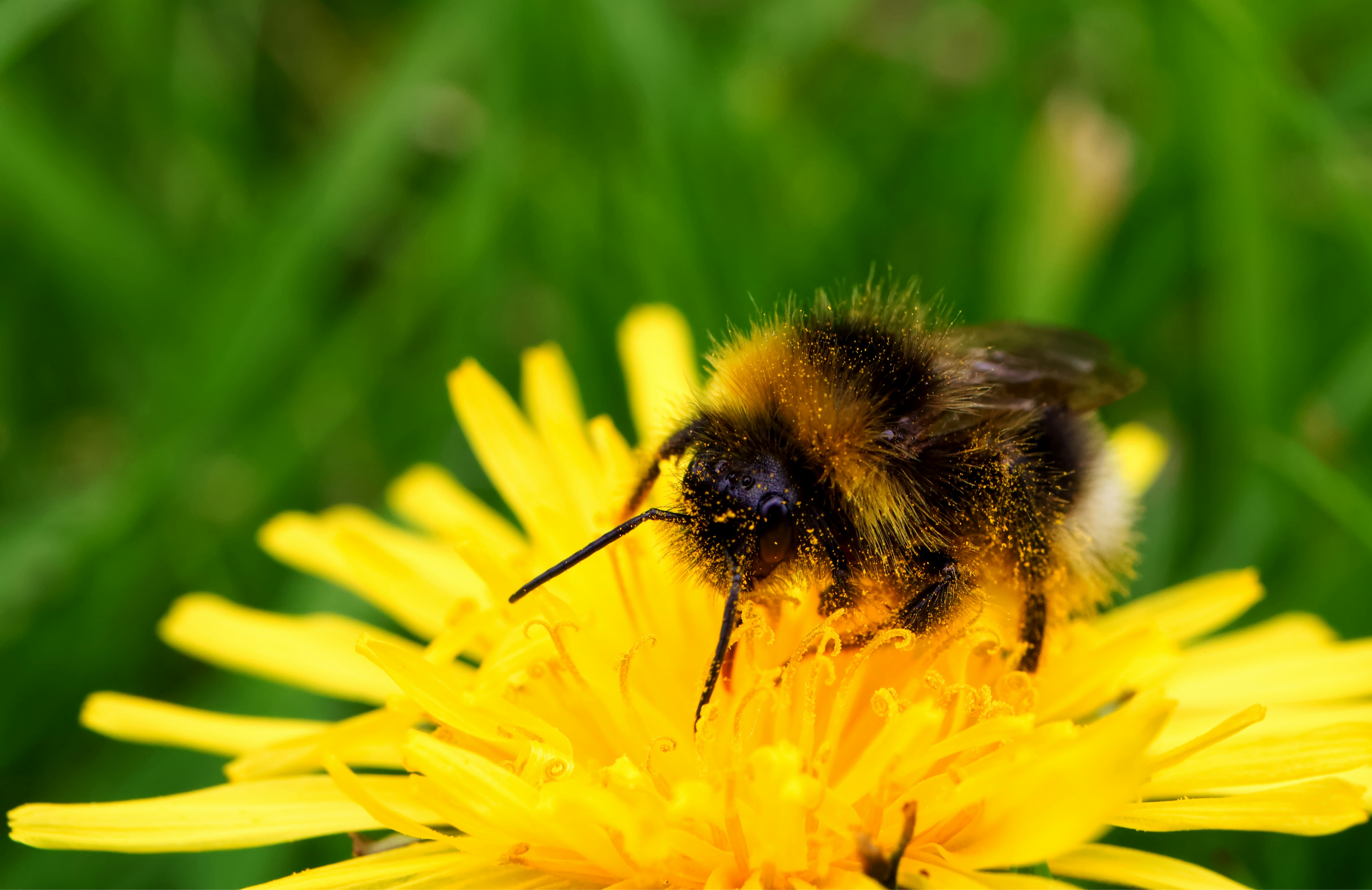
Birds and herbivores also feast on dandelion greens and seeds. When we destroy dandelions, we don't just lose a plant. We break a chain that countless creatures depend on to survive.
The Inconvenient Truth
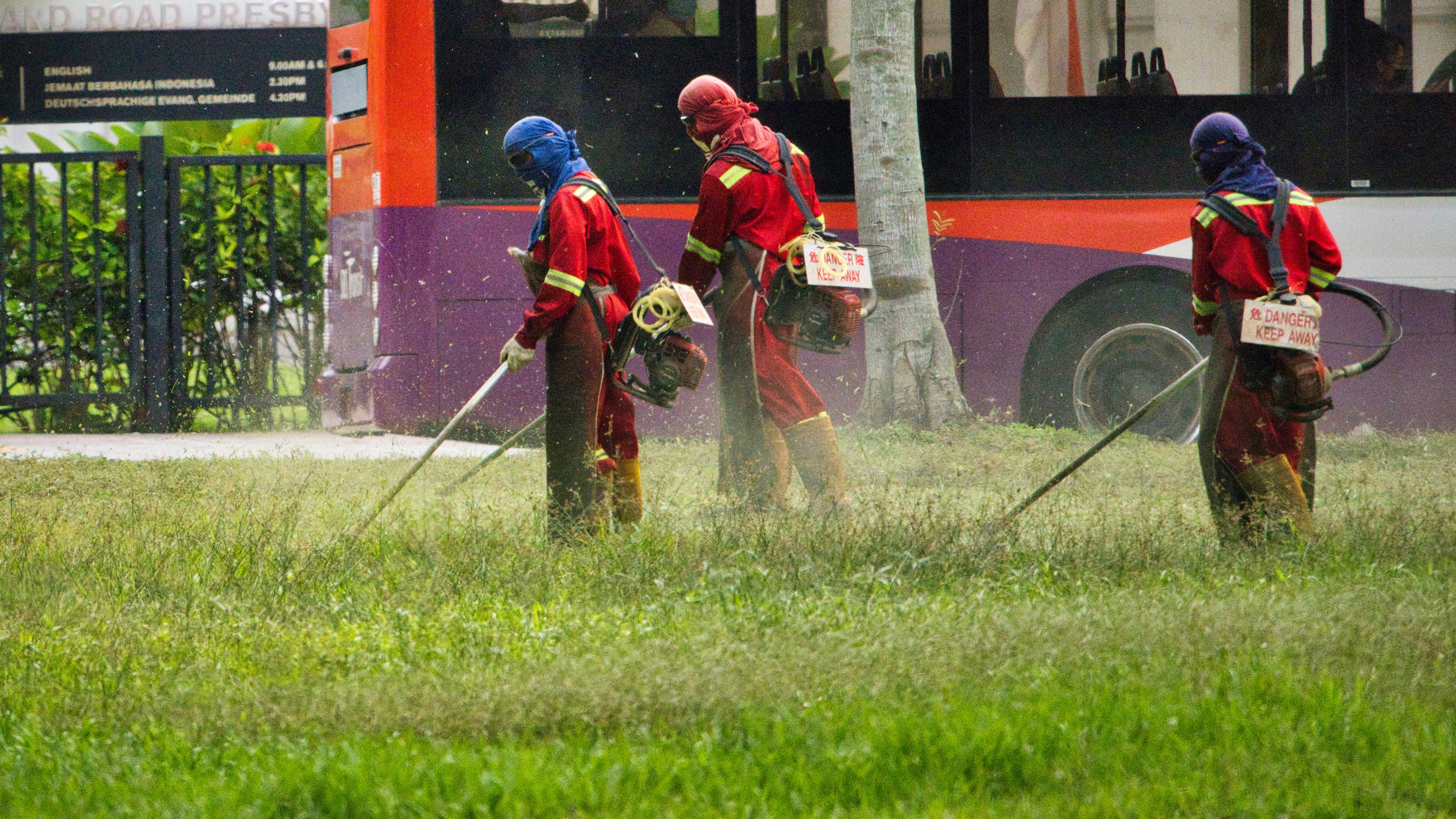
Contrasting the brilliant benefits of dandelions, herbicides are harmful in every sense of the word. They threaten both your family's health and the environment, and not just through ingestion.
Herbicides are largely linked to various cancers, liver and neurodegenerative diseases, and kidney problems, particularly those containing 2,4-D or glyphosate.
You don't have to eat them. Herbicides can harm you through simple inhalation and skin contact, automatically putting your children and pets at risk just by being in the yard.
They don't just kill "weeds." They also destroy innocent plants and eliminate food sources for hundreds upon hundreds of insect species.
Herbicides kill microorganisms in the soil, including nitrogen-fixing bacteria. Without these, plants can't make proteins, can't survive, and can't reproduce. Taken to its extreme: no plants means no oxygen.
If the complete desolation of all intelligent life on earth isn't enough to convince you not to use herbicides, then nothing can.
There's a Better Way
Even after learning all of this, if you still want a dandelion-free yard, there are healthy and safe ways to deal with them. The most important thing is that you don't use herbicides.
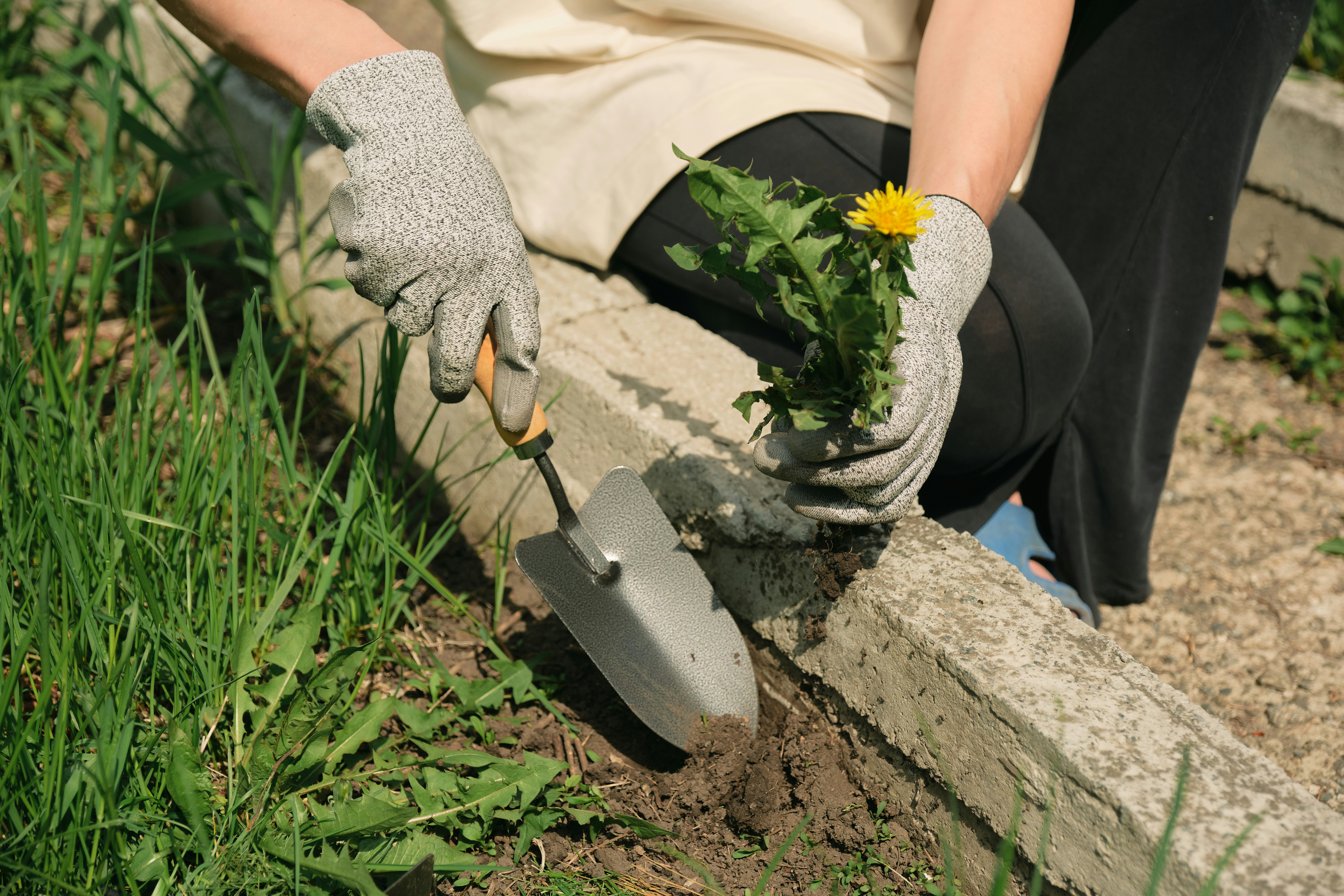
Use a special weeding tool to manually remove dandelions. Be careful not to leave any of the long taproot behind because dandelions can grow back from even a tiny piece left in the ground.

An eccentric but logical option! Goats will happily eat your dandelions, and nothing goes to waste. Plus, it's a lot more fun than spraying chemicals.
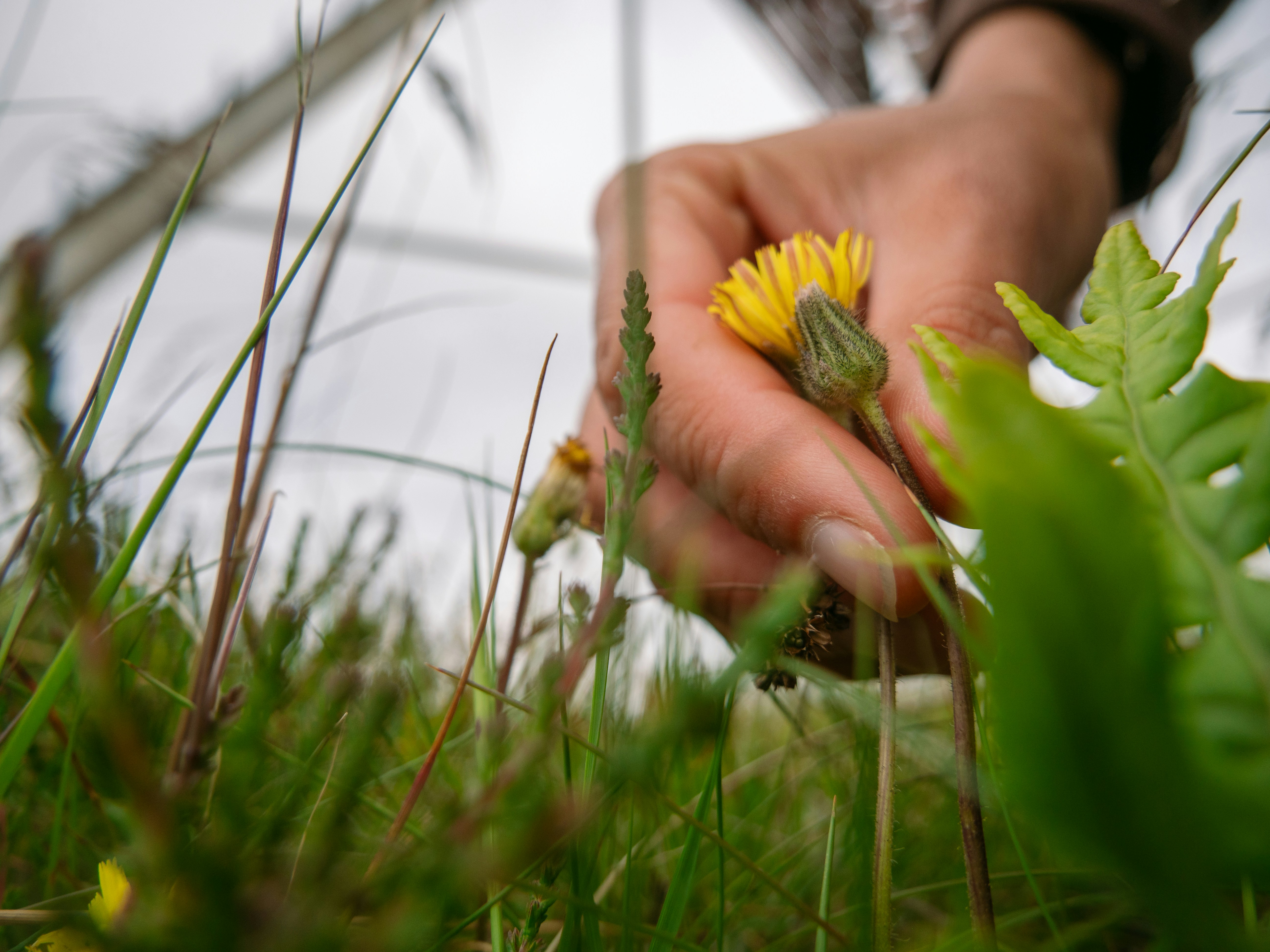
Mulching your yard can prevent dandelions from sprouting, and pouring hot water directly down the crown of the plant is another effective, chemical-free method.
The Movement
Here's why you should keep your dandelions:
And here's why you should never use herbicides:
The revolution starts in your own backyard.
 Free Stickers: Download & Print
A printable sticker sheet to spread the word
Free Stickers: Download & Print
A printable sticker sheet to spread the word
